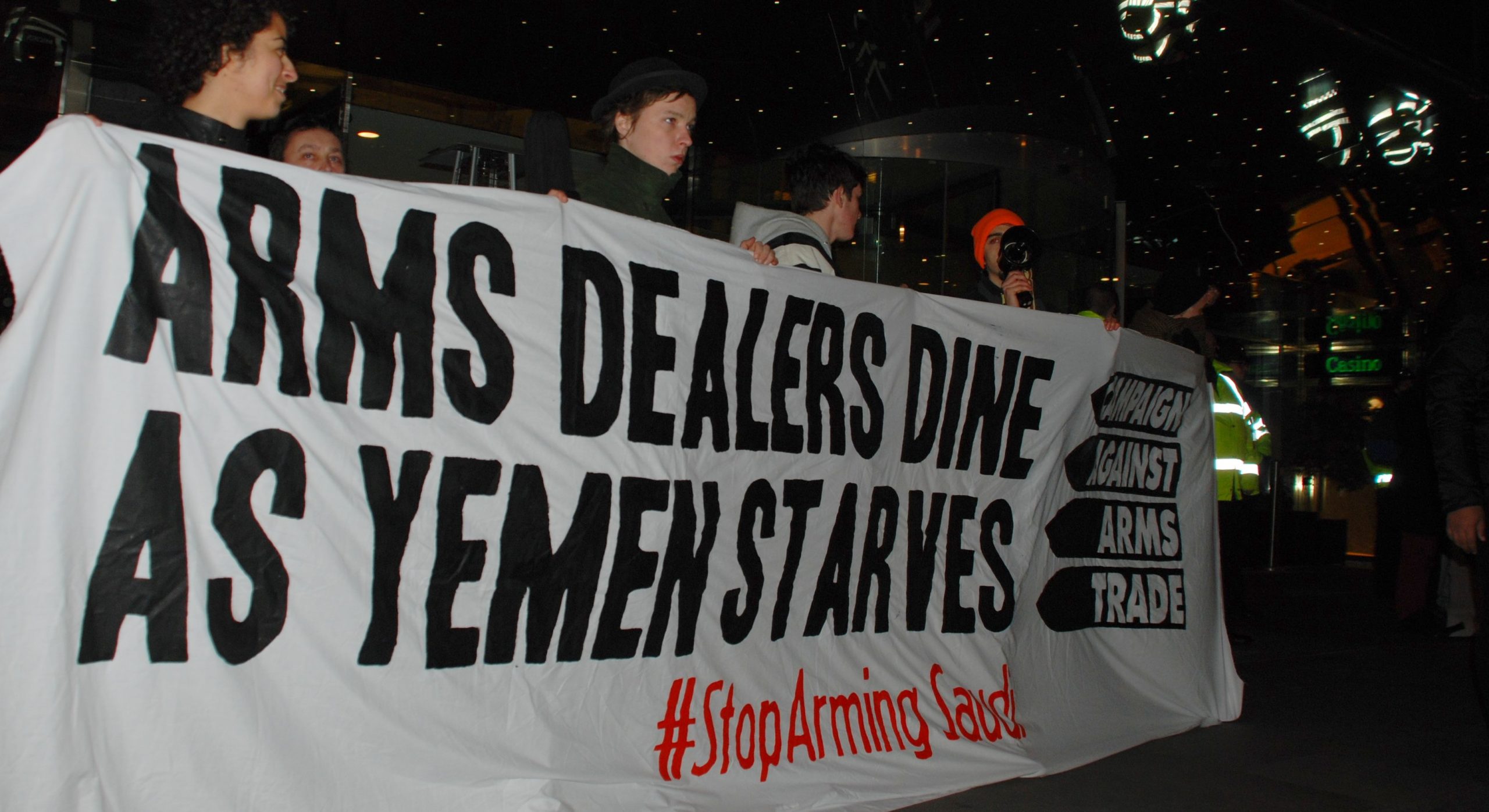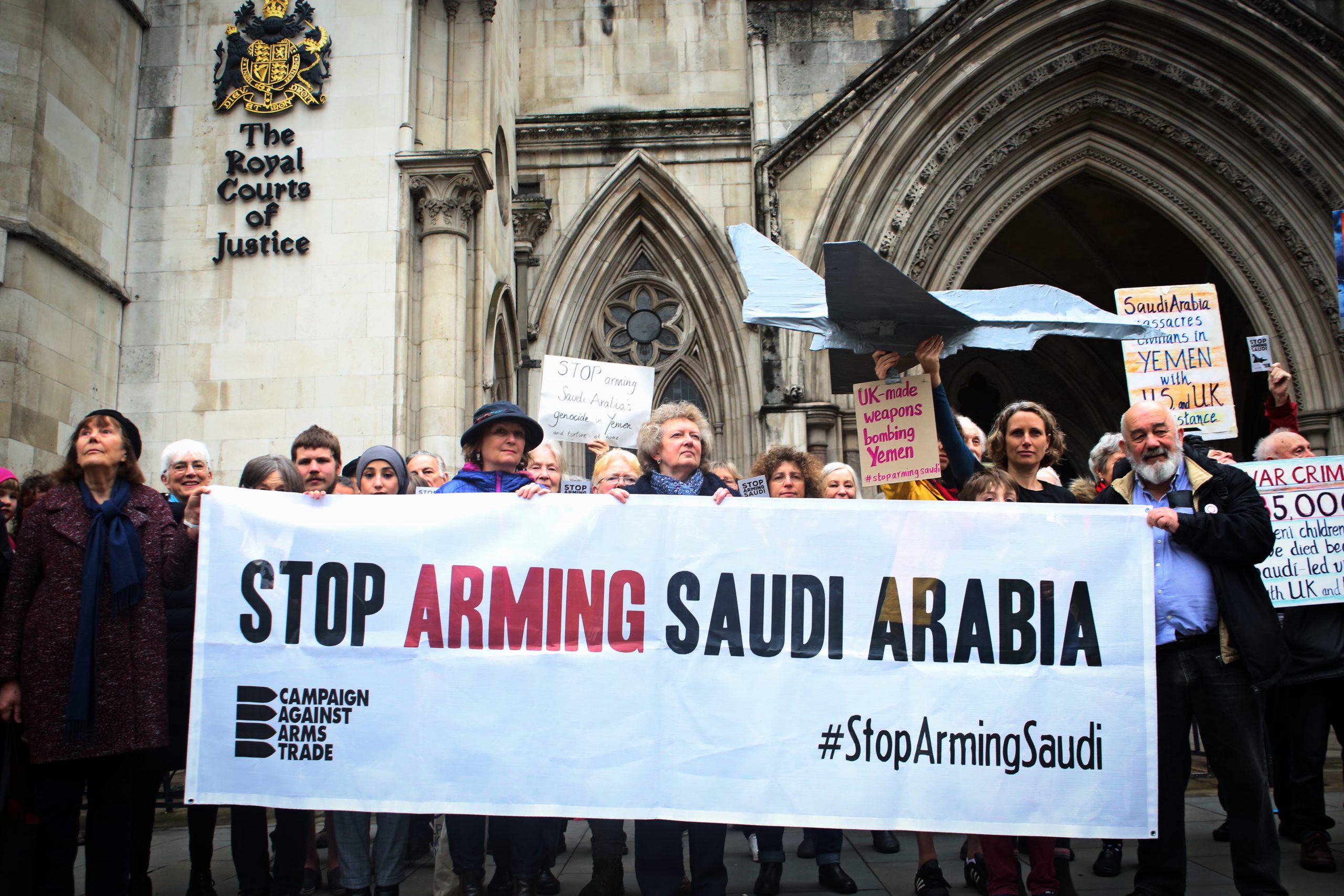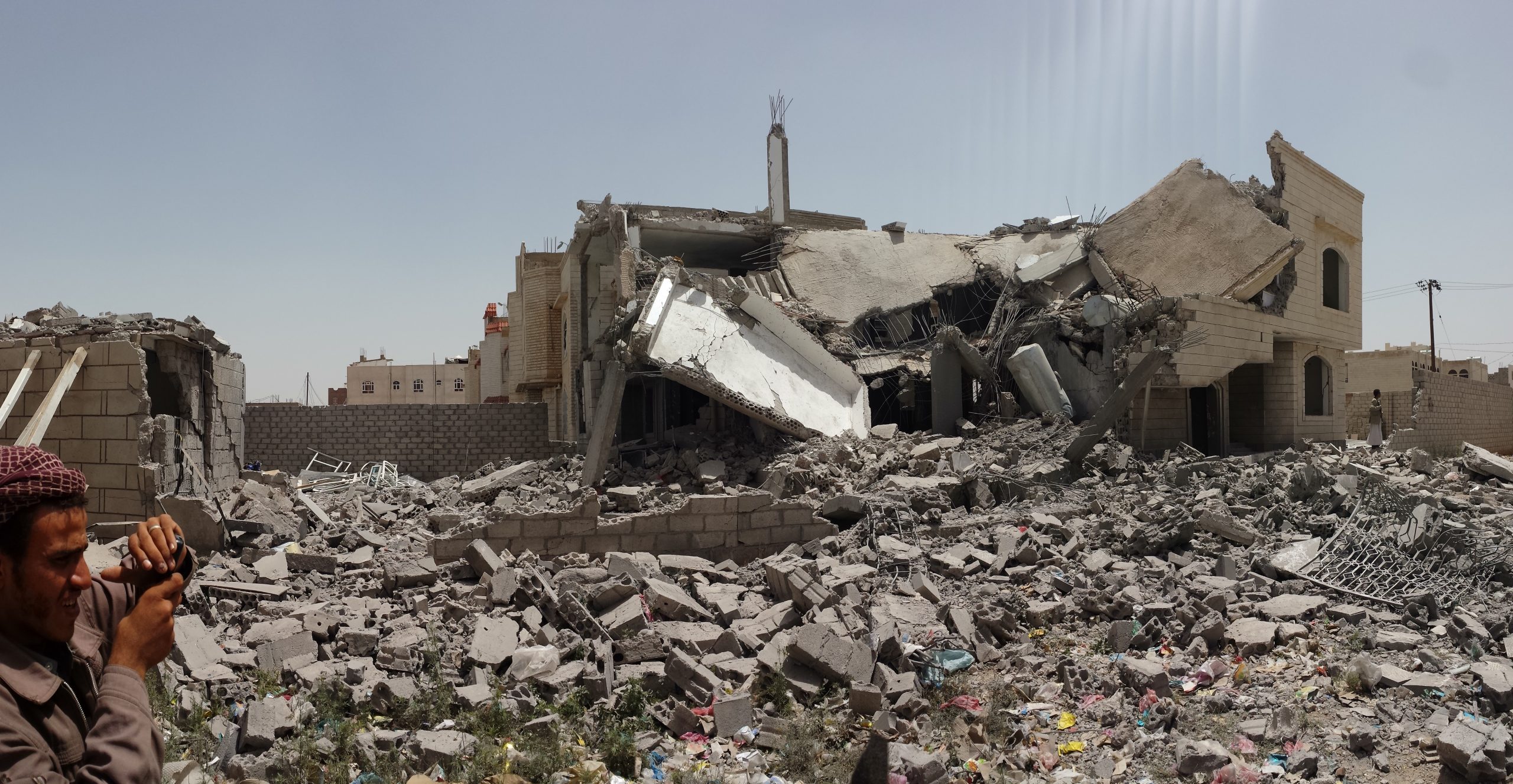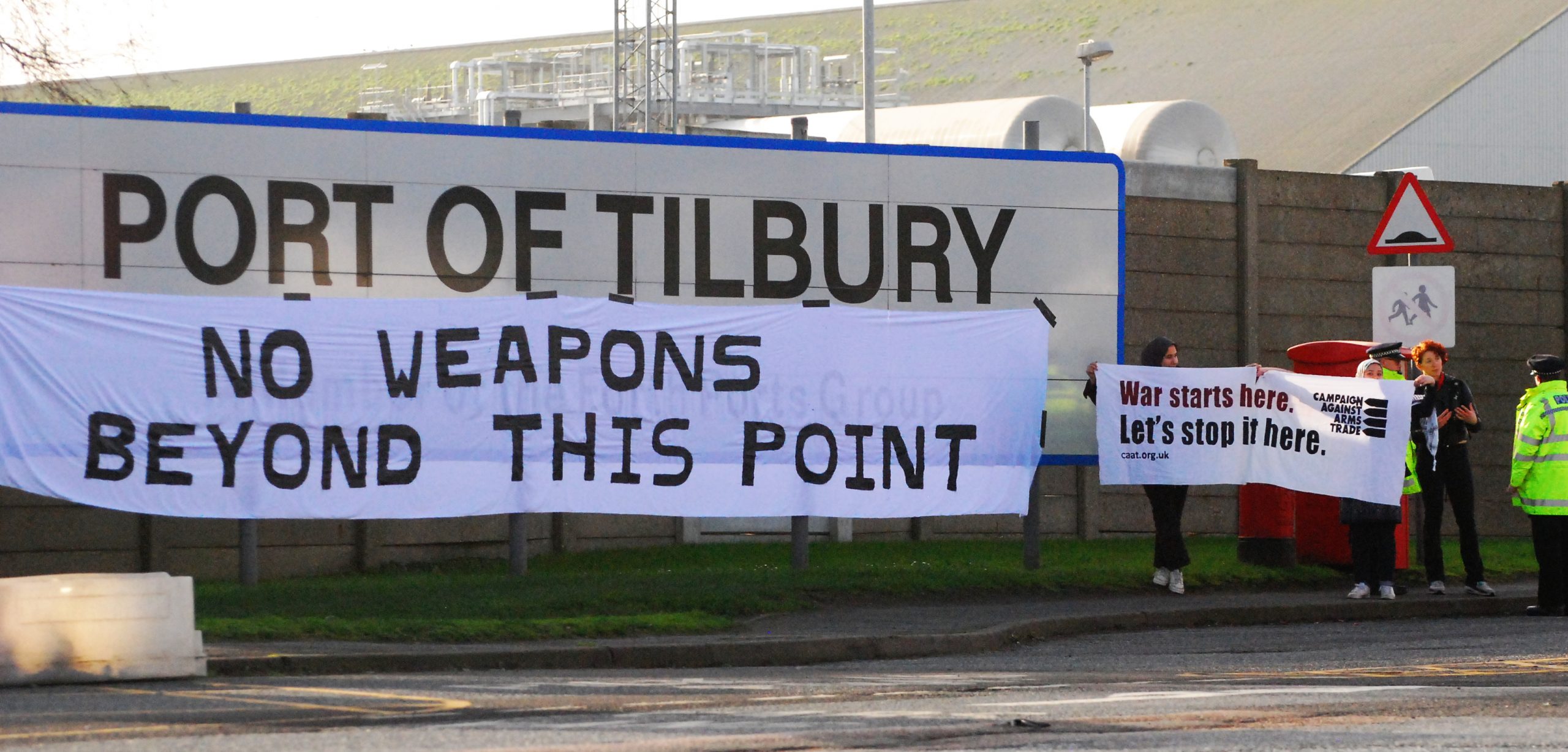
Between 2015 and 2022, during the Saudi-led bombing campaign against Yemen, CAAT campaigned for an end of arms exports to Saudi Arabia.
This included two legal challenges, the government’s defense in which demonstrated the appalling lengths they will go to to avoid conceding that violations of International Humanitarian Law are being committed, and to ensure the arms sales continue.
In September 2026, the UK Government announced it would provide what it described as “defensive military support” to Saudi Arabia. By October 12th 2026, the Prime Minister stated that 14 “operational missions” had been completed.
The UK has an appalling recent record of complicity in war crimes and violations of international humanitarian law against the people of Yemen. The Government’s decision to provide “defensive” military support to Saudi Arabia creates an imminent danger of direct UK involvement in further atrocities. We are calling for an immediate arms embargo on Saudi Arabia.
For the most up-to-date information on Saudi Arabia, see our country profile.
Saudi-led attacks on Yemen
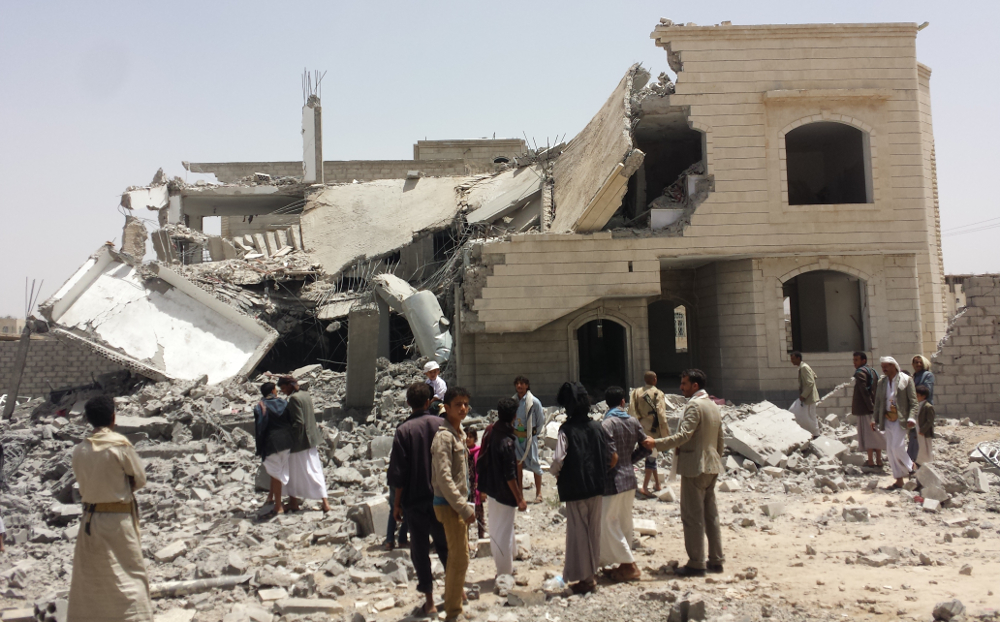
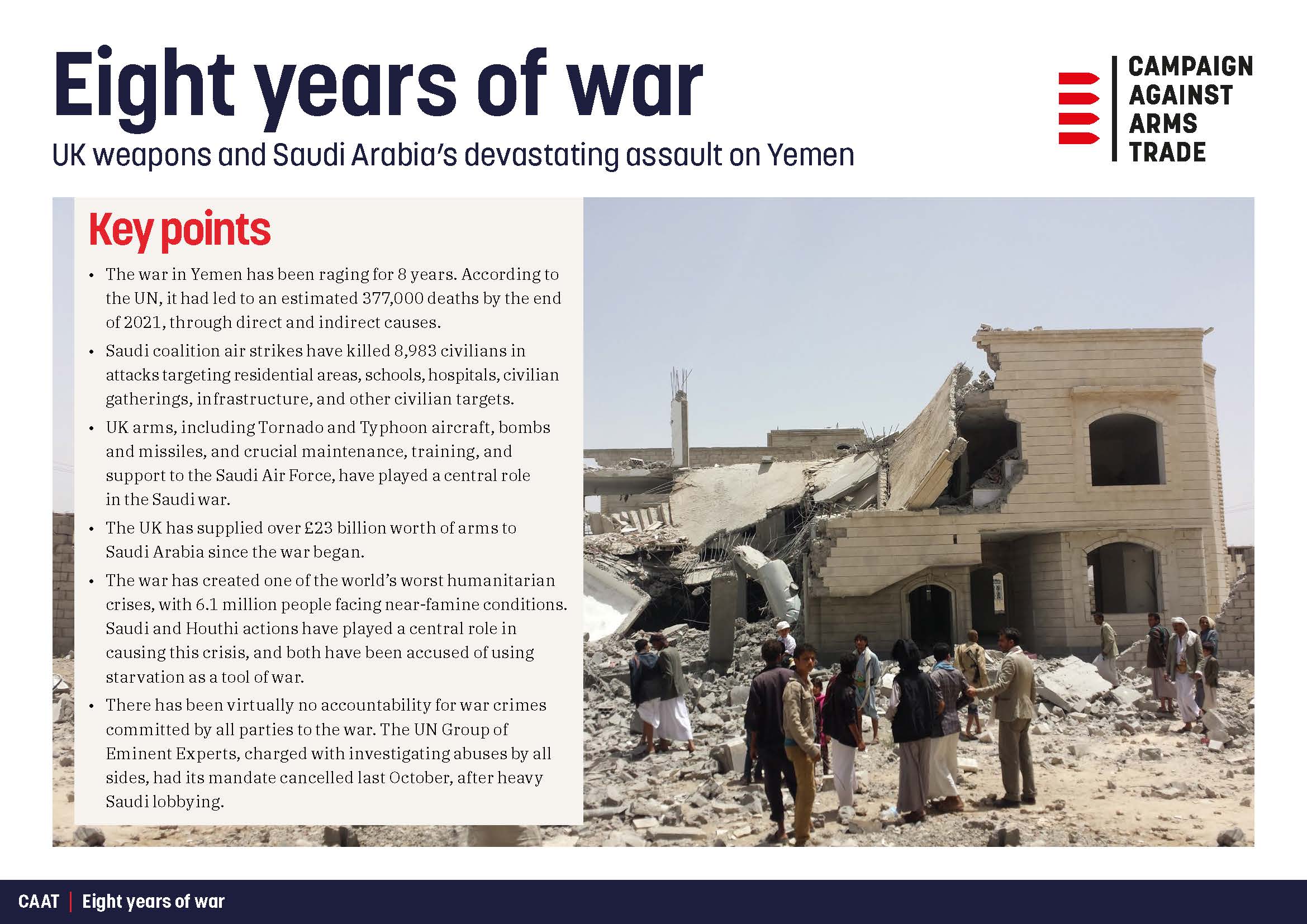
The UN has estimated that the Saudi coalition’s war on Yemen from 2015 had killed 377,000 people by the end of 2021 through direct and indirect causes. Over 150,000 of these deaths were the direct result of the armed conflict, while far more have died due to hunger and disease as a result of the humanitarian crisis caused by the war. Nearly 15,000 civilians were killed by direct military action, and almost 9,000 of those casualties were brought by Saudi-led air strikes. As described by Yemeni organisation Mwatana for Human Rights,
“This state of affairs is not an arbitrary consequence of war. It is the direct result of how the conflict has been prosecuted…with utter disregard for international law and humanitarian norms.”
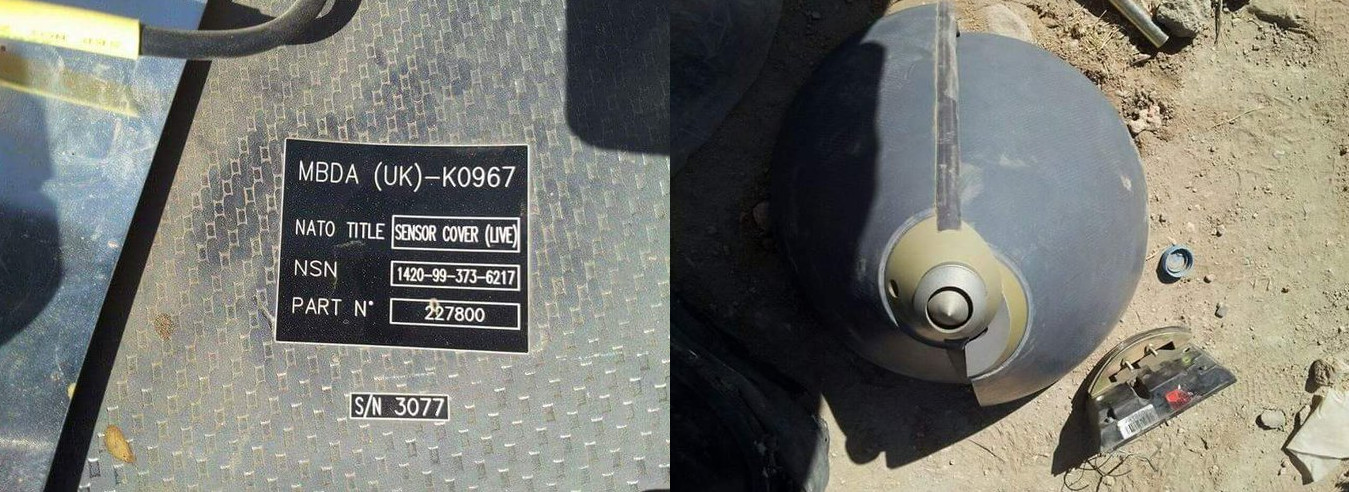
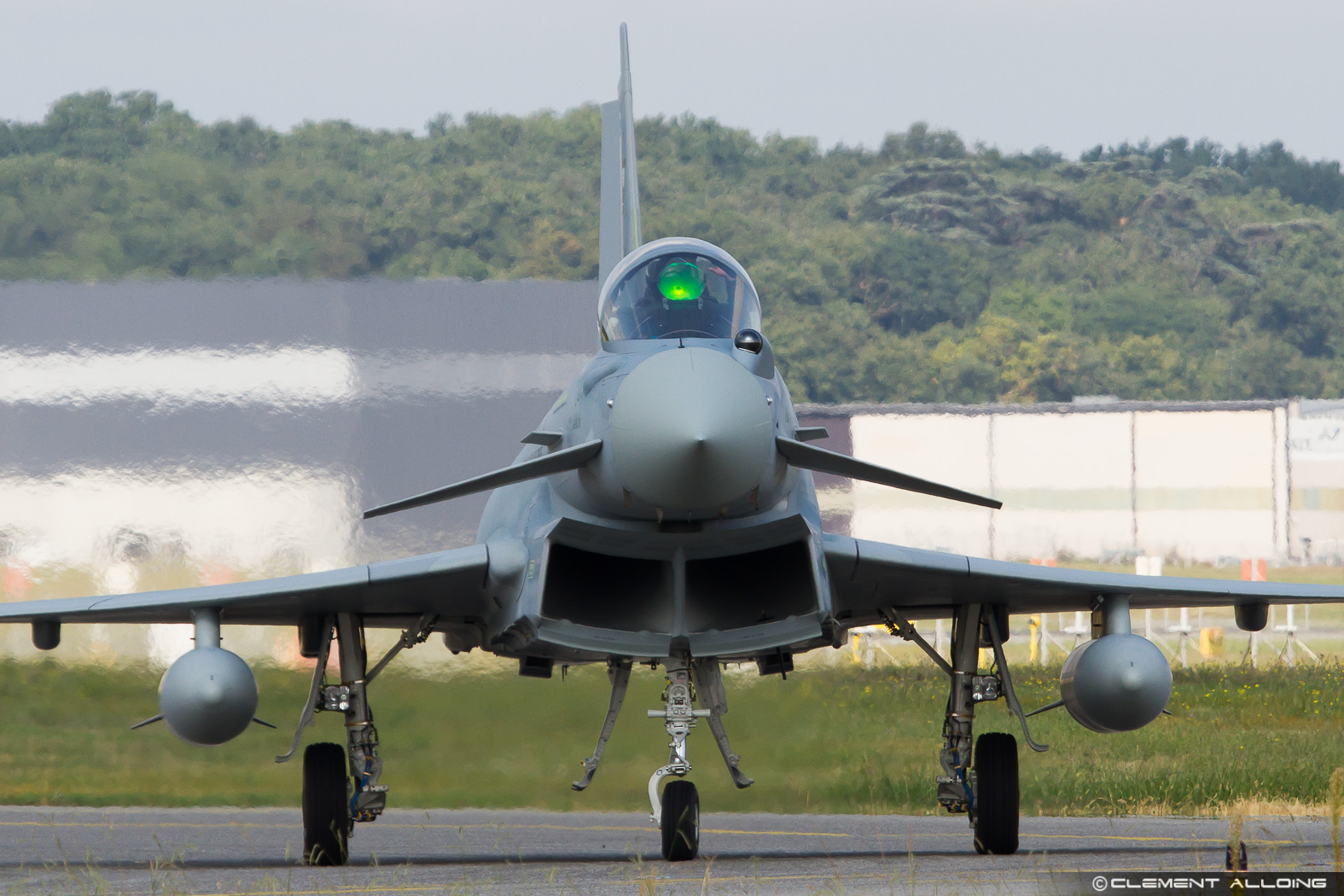
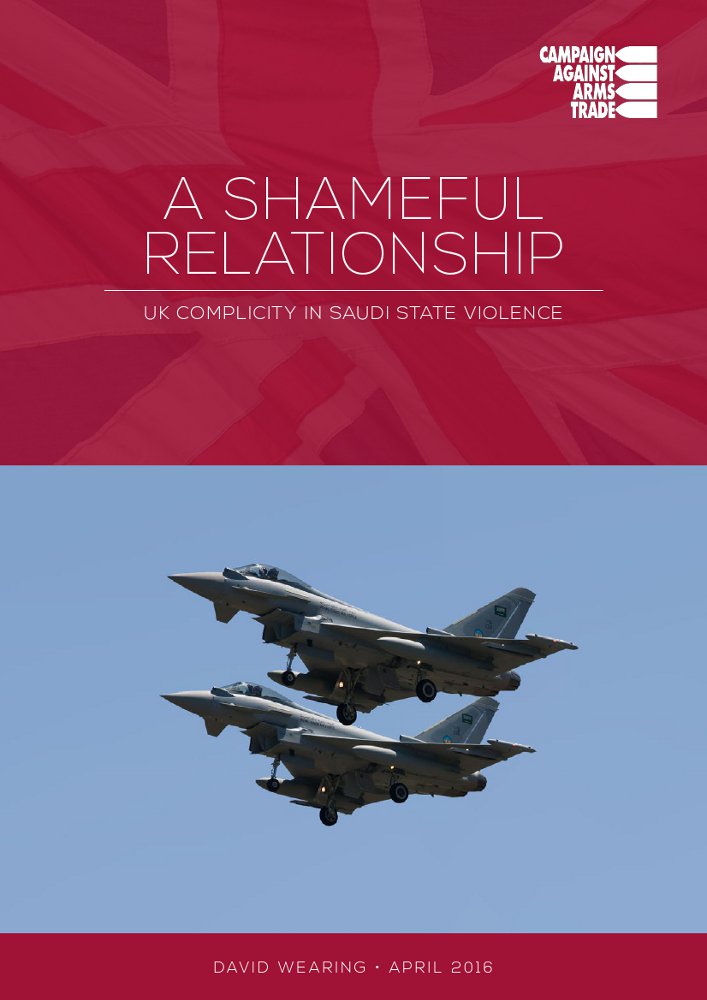
Many of the Saudi coalition’s air raids were conducted with UK-built aircraft and bombs. In addition to the supply of Paveway bombs and Brimstone and Stormshadow missiles, half of the Saudi air force used for the bombing campaign consisted of UK-supplied Eurofighter Typhoons. This fleet was utterly dependent upon the supply of spare parts and the continuous maintenance and support activity carried out by UK arms companies, and this support continued throughout the Saudi bombing campaign despite overwhelming evidence of repeated breaches of international humanitarian law by the coalition.
Reparations for Yemen
Between the start of the bombing in March 2015 and the truce in April 2022, there were £7.1bn worth of published arms sales licensed to Saudi Arabia alone, in addition to a further £2.4bn to Saudi coalition partners, particularly the UAE. This figure does not include the ongoing maintenance and support provided by BAE Systems, which is covered by unlimited, “open” licences issued by the government that do not carry a financial value and are subject to minimal transparency.
Under international law, when an “international wrong” occurs, reparations are owed. Alongside Transition Security Project, CAAT has published research illustrating that a windfall tax on the profits of two leading British arms companies from weapons sold to Saudi Arabia during the 2015-2022 intervention could raise up to £3.9bn. BAE Systems alone made an operating profit of £3.56bn for its role in the bombing campaign, while Rolls Royce profited to the tune of £330mn.
If matched by the British state, a £7.8bn reparations sum would help address urgent humanitarian needs in Yemen and provide a foundation for economic recovery. Given the extensive violations in International Humanitarian Law committed against the Yemeni population via UK military support, this would be just one, crucial step towards justice.
Arms licenses today
Arms supplies to Saudi Arabia have not since slowed. £464.8m of arms exports were approved in the first quarter of 2026. This includes £462m in the category covering bombs, missiles, and countermeasures, including air-to-surface missiles, which were previously used in the bombing of Yemen.
The UK should never have been arming repressive Saudi Arabia in the first place. Military support for the Saudi regime makes us complicit in its crimes.
We’re calling on the UK government to issue reparations to Yemen, and to stop the arms sales now.