Introduction
The United Arab Emirates (UAE) is a federation of seven states including the capital, Abu Dhabi, and Dubai. Each of the emirates is ruled by a hereditary emir (monarch) in whom all executive, legislative, and judicial authority ultimately rests. Ruled by the UK until independence in 1971, the discovery of oil in the 1950s brought it great wealth. The UAE has since diversified its economy into tourism and trading and is a major hub for transport and the media.
The UAE is a highly authoritarian regime characterised by strict judicial constraints on freedom of expression and poor rule of law. Citizens and non-citizens alike face arbitrary detention and torture. The UAE is heavily reliant on the labour of the migrants who make up 80% of its total population; a great many of them are employed under a kafala system in conditions of forced labour.
The UAE in Yemen
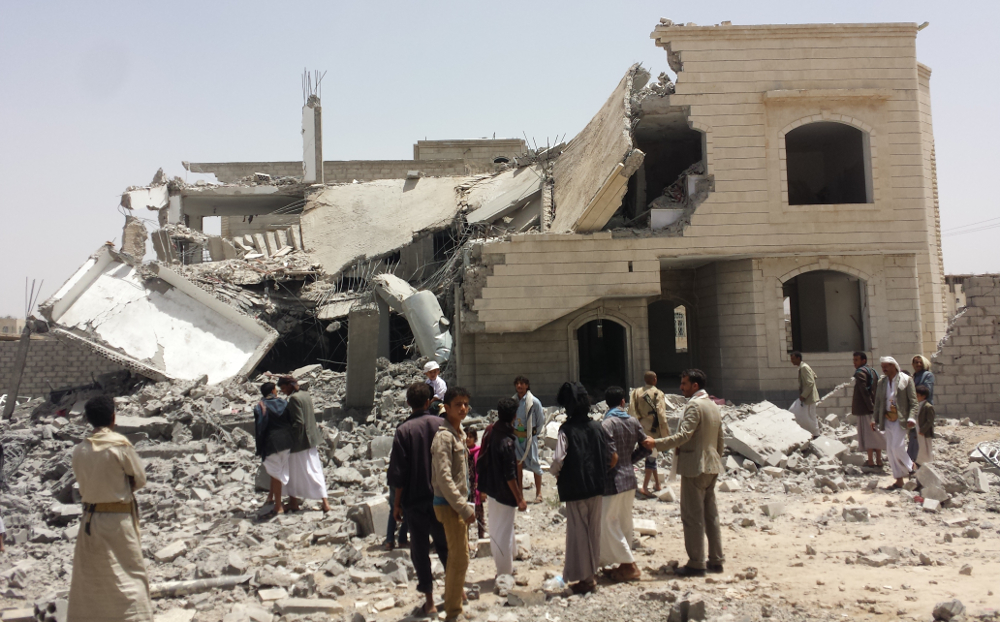
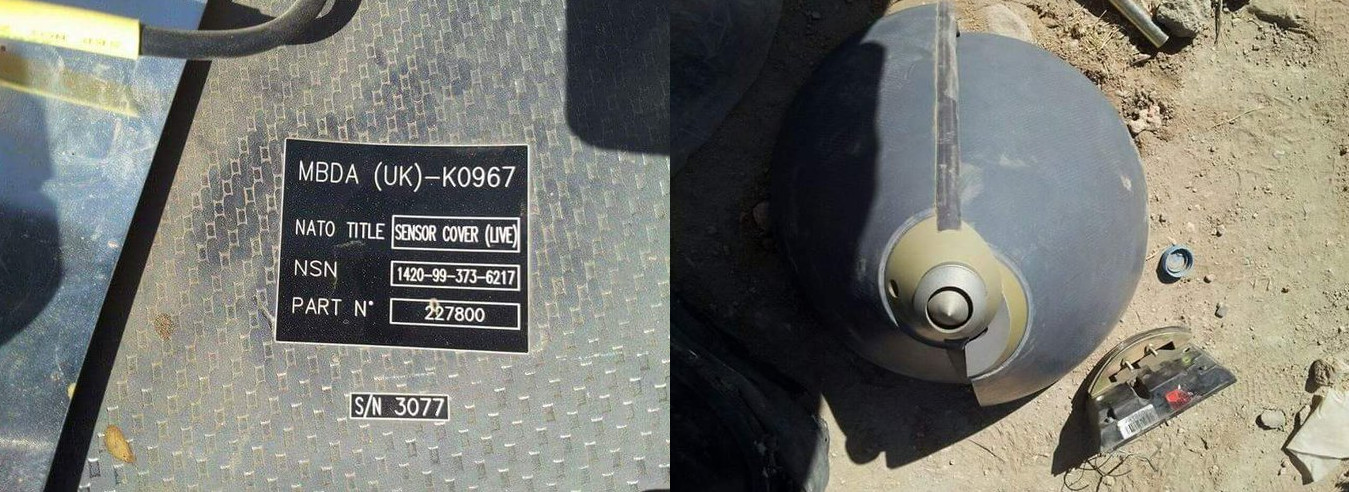
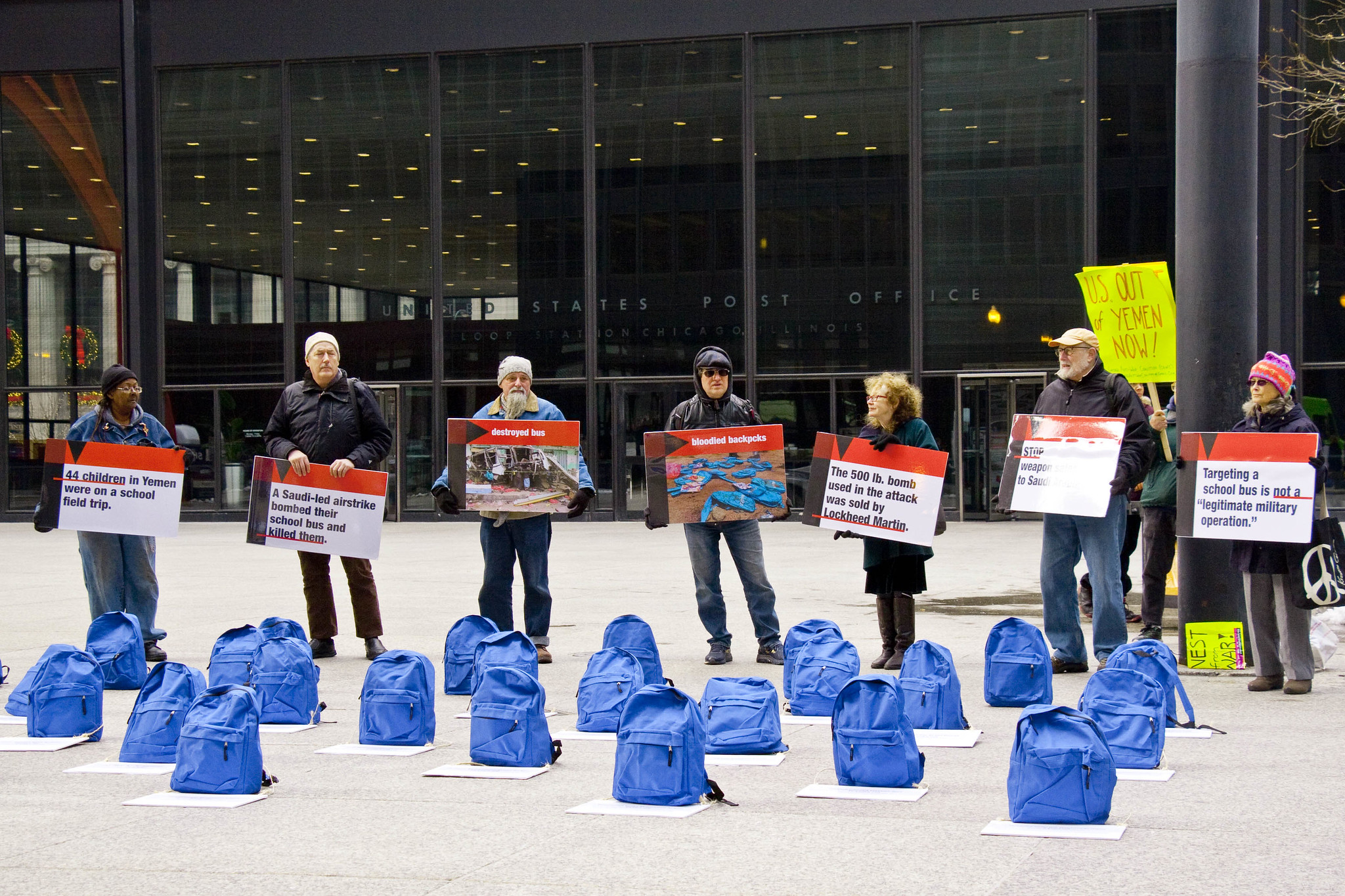
The UAE has a significant role in the Saudi-led war in Yemen. Since the start of the Yemen war in 2015 – which had killed 112,000 by the end of 2021 and put millions on the brink of starvation – the UAE has been the primary ground force for the Saudi/UAE-led coalition there, both through deployment of its own Special Forces and its support for tens of thousands of members of Yemeni militias, including extremist groups with ties to Al Qaeda in the Arabian Peninsula (AQAP). The UAE also used fighter jets, drones and US-supplied attack helicopters and precision-guided munitions to participate in the Coalition’s air war in Yemen.
Despite its widely publicized military “withdrawal” of ground forces from the country in 2020, the UAE has continued to exert coercive influence on the ground, especially through the support of Yemeni militias and other proxies. The Saudi-Emirati air campaign, which has involved over twenty-five thousand air strikes in Yemen, prompted retaliatory drone strikes in both countries by Yemen’s Houthi government from 2021 to 2022. The UAE is enhancing its network of military and intelligence bases in the Gulf of Aden, one of the world’s busiest shipping lanes, according to analysis by Middle East Eye, and its influence in Yemen’s internal affairs is likely to remain strong, according to analysis by the Middle East Institute.
Following an April 2022 truce, the UAE continues to back militia members operating in Yemen. The UAE has also engaged in torture in prisons they control in Yemen, and made use of foreign mercenaries, further inflaming the conflict.
The UAE and Sudan
The UAE is a significant supplier of arms to the Sudanese Rapid Support Forces (RSF), a paramilitary group that has been engaged in territorial conflicts with the Sudanese army. The UAE denies this. The RSF had its origins in nomadic Arab janjaweed militias who carried out massacres against civilians of other ethnic groups during the government’s conflict with armed groups in Darfur, in western Sudan, which escalated in 2003. Since early 2023, the RSF and Sudanese army have been engaged in a civil war, with the RSF gaining large swathes of territory in the west of the country. The death toll has reached 150,000 and 12 million persons have reportedly fled their homes, according to the UN. In October 2025, the RSF gained control of the capital of north Darfur, El Fasher after a 500 day siege.
Arms supplied to the RSF via the UAE include guided bombs and howitzers produced by Chinese arms company Norinco, according to Amnesty International. UK-manufactured small-arms target systems and engines for armoured personnel carriers have been recovered from combat sites, according to documents seen by the UN Security Council and reported by the Guardian. These have included M3720MN target devices with labels suggesting they were manufactured UK company Militec Ltd, and engines manufactured by Cummins UK Ltd for armoured personnel carriers manufactured by Emirati company Nimr. As Sudan has been under UK and EU arms embargo since 1994, it is likely that UK-manufactured items were supplied indirectly via another government or private-sector embargo violator, according to analysis by arms expert Mike Lewis.
The UAE’s arms suppliers
The UAE is the world’s tenth largest arms importer between 2015 and 2025, according to the Stockholm International Peace Research Institute (SIPRI). Its main suppliers in that period were the United States (55%), France (14%), and Turkey (5.7%).
US-made aircraft used by the UAE military includes: General Dynamics F-16 fighter jets, Boeing Chinook Helicopters, and Boeing Apache helicopters. It obtained Lockheed Martin Terminal High Altitude Area Defense (THAAD) System Missiles in 2022.
From France, the UAE received Dassault Rafale fighter jets in 2025 at a cost of € 17 billion. The UAE hosts a French naval base and has warplanes and personnel stationed in-country, where they conduct regular joint exercises. In 2025, UAE company EDGE Group and French shipbuilding firm CMN NAVAL launched a joint venture to manufacture small- and “mid-size naval vessels.” French giant Airbus has supplied A330 Multi-Role Tanker Transport Aircraft (MRTT) to the UAE Air Force.
The UK and the UAE
The UK’s 2015 National Security Strategy and Strategic Defence and Security Review made a commitment to establish a permanent British Defence Staff in the Gulf. This is based in Dubai.
The UAE is one of the UK’s biggest arms customers although, compared with other suppliers, the UK’s sales there are comparatively modest. UK arms companies which have previously applied for licences to export military equipment to the UAE include BAE Systems, which supplied its military with weapons including artillery, aircraft, surface-to-air missile systems, and a range of armoured vehicles. Despite a massive UK government effort, led by then Prime Minister David Cameron, BAE Systems failed to secure a contract to supply 60 Eurofighter Typhoons in 2013, which eventually led the UAE to procure French Rafale fighter jets. Other UK companies that have obtained UK military export licenses for the UAE include: AEI Systems (guns and cannons), Chemring (countermeasures and historically CS gas), Manroy Engineering (machine guns and rifles), NSAF (small arms), Primetake (small arms and CS gas), Pyser-SGI (weapon sites), and Viking Arms (arms and ammunition).
The UAE and arms fairs
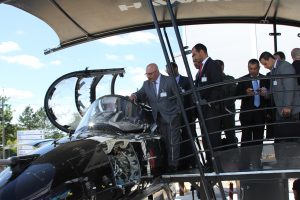
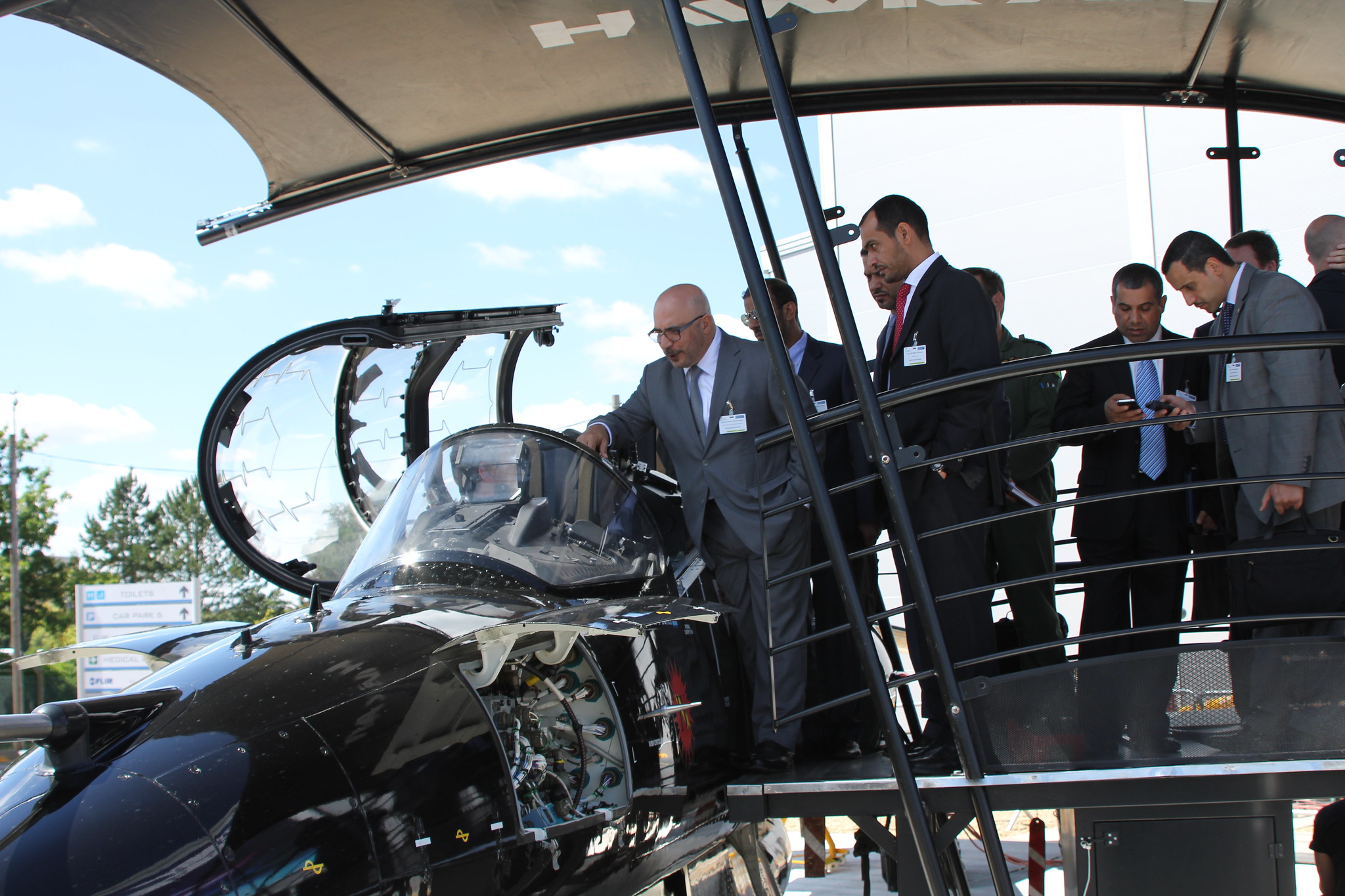
The UAE hosts military and security exhibitions including IDEX, one of the world’s biggest, and the Dubai Airshow. The UAE regularly sends delegations to the UK’s major arms fairs: Security and Policing, and DSEI.
This page was updated in 2025 with the help of a grant from the Network for Social Change Charitable Trust, which funded the updating or creation of our country and company profiles.